7 ways to make homes safer for seniors
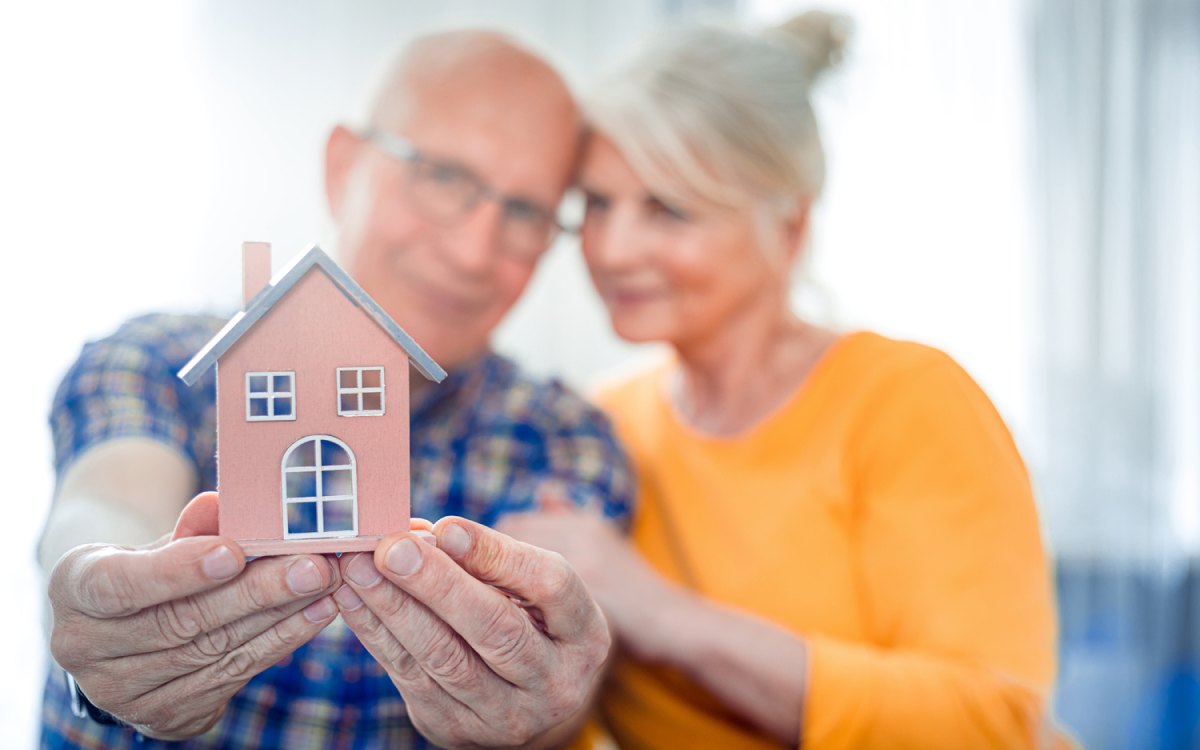
A home must feel like a place where anyone, including seniors, can live safely. Over time, small changes in mobility, balance, and daily rhythm can quietly influence how safe a space feels. That shift often goes unnoticed until something feels slightly off. Home safety for seniors is not about dramatic changes or rigid setups. It’s the subtle, thoughtful adjustments that blend into everyday life that make safety count. With the right balance, familiar spaces can remain comfortable, supportive, and easy to move through.
Recognizing Common Risk Areas
Home safety for seniors often begins with awareness. Everyday spaces may look unchanged, yet small details can quietly increase risk. Loose rugs, uneven flooring, or cluttered walkways can interrupt movement in subtle ways. Even frequently used corners or tight passages can become challenging to navigate without regular attention. Simple adjustments can make a meaningful difference. Securing rugs, clearing pathways, and slightly rearranging furniture can create a smoother flow. The goal is to reduce interruptions in movement while keeping the home’s personality intact.
Keeping Pathways Clear and Open
Movement through a home should feel natural, not something that requires constant effort. Narrow walkways or misplaced items can interrupt that flow. Even small obstacles can lead to hesitation over time. Creating open pathways allows for smoother transitions between rooms. Slight furniture adjustments can make spaces feel more accessible and less restrictive, supporting steady and confident movement.
Using Layered Lighting
Lighting shapes home improvement tips that can work for the elderly, especially with how the space feels and functions. Dim areas can create uncertainty, while overly bright lighting may feel uncomfortable. A balanced approach works well. Combining overhead lighting with softer, focused lights reduces shadows and improves visibility. This makes movement easier throughout the day while maintaining a calm atmosphere.
Bathroom Safety Adjustments
Bathrooms often require extra attention due to smooth surfaces and moisture. These factors can make movement less predictable. Simple additions like non-slip mats and stable fixtures improve stability. Keeping essentials within easy reach also reduces unnecessary movement, making daily routines more manageable.
Kitchen Organization for Ease
The kitchen is used frequently, and its layout can affect comfort. Reaching too high or bending often can create strain. Organizing commonly used items within a comfortable range simplifies tasks. A well-arranged kitchen supports both safety and ease, making everyday activities feel more natural.
Staying Mindful of Surroundings
Being aware is an important safety measure for seniors. Small changes, like a shifted object or clutter, can go unnoticed but still affect movement. Regularly noticing surroundings helps maintain order. This simple habit supports a consistent and safe environment without requiring extra effort.
Maintaining a Steady Routine
Consistency creates ease. Familiar routines reduce rushed movements and help maintain awareness of surroundings. A steady daily rhythm supports both safety and comfort. It allows movement to feel more natural and less forced, reducing the likelihood of missteps.
Home safety for seniors is not about limiting freedom — it is about making daily living feel easier and more secure. Small adjustments, thoughtful organization, and consistent habits work together to create a space that supports independence. Over time, these changes become part of the home, allowing comfort and confidence to remain at the center of everyday life.